
Mastering the Art of Placement: Essential Art Placement Strategies for Your Home
When it comes to decorating a home, few elements have the power to transform a space quite like art. But it’s not just about choosing the right piece; how you place that art can make all the difference. Over the years, I’ve learned that mastering the art of placement is a skill that elevates any room from ordinary to extraordinary. Whether you’re a seasoned collector or just starting to explore the world of wall art, understanding effective art placement strategies will help you create a harmonious and captivating environment.
Why Art Placement Strategies Matter
Art placement is more than just hanging a picture on a wall. It’s about creating a visual story that complements your space and reflects your personality. When done right, art placement can:
Enhance the mood of a room
Highlight architectural features
Create focal points that draw the eye
Balance colors and textures within the space
For example, placing a large, bold painting above a sofa can anchor the seating area and make it feel more inviting. On the other hand, a series of smaller pieces arranged thoughtfully can add rhythm and interest to an empty hallway.
One of the most important lessons I’ve learned is that art selection and placement go hand in hand. Choosing the right piece is crucial, but knowing where and how to display it is what truly brings it to life. Explore more about art selection and placement to deepen your understanding.

Key Art Placement Strategies to Transform Your Space
Let’s dive into some practical art placement strategies that you can apply right away:
1. Consider the Height
A common mistake is hanging art too high or too low. The general rule is to hang artwork so that its center is at eye level, which is typically around 57 to 60 inches from the floor. This creates a natural viewing experience and ensures the piece feels connected to the room.
2. Use Groupings for Impact
If you have several smaller pieces, consider grouping them together. This can be done in a grid, salon style, or a more organic arrangement. The key is to maintain consistent spacing (usually 2-3 inches apart) and balance the overall composition.
3. Match Art Size to Wall Space
Large walls call for larger pieces or groupings, while smaller walls work best with modest-sized art. Avoid overcrowding a wall with too many small pieces, as this can feel cluttered and chaotic.
4. Align with Furniture
Art should relate to the furniture it’s above or near. For example, a piece above a console table should be about two-thirds the width of the table. This proportional relationship creates harmony and avoids awkward gaps.
5. Play with Lighting
Lighting can dramatically affect how your art looks. Use adjustable picture lights, track lighting, or even natural light to highlight your pieces. Just be mindful of direct sunlight, which can fade colors over time.
What are the 4 Types of Emphasis?
Understanding emphasis in art placement helps you decide where to draw attention in a room. There are four main types of emphasis:
1. Focal Point Emphasis
This is the most common type, where a single piece of art becomes the centerpiece of a room. It grabs attention immediately and anchors the space.
2. Contrast Emphasis
Here, art contrasts with its surroundings to stand out. For example, a bright, colorful painting on a neutral wall creates visual interest through contrast.
3. Isolation Emphasis
Sometimes, placing a piece alone on a wall creates emphasis by isolation. This works well for unique or statement pieces that deserve undivided attention.
4. Placement Emphasis
This type uses the position of the artwork to create emphasis. For instance, placing art at the end of a hallway or above a fireplace naturally draws the eye.
By understanding these types, you can strategically place your art to guide the viewer’s gaze and enhance the room’s overall design.

Practical Tips for Different Rooms
Each room in your home has its own vibe and function, so art placement should adapt accordingly.
Living Room
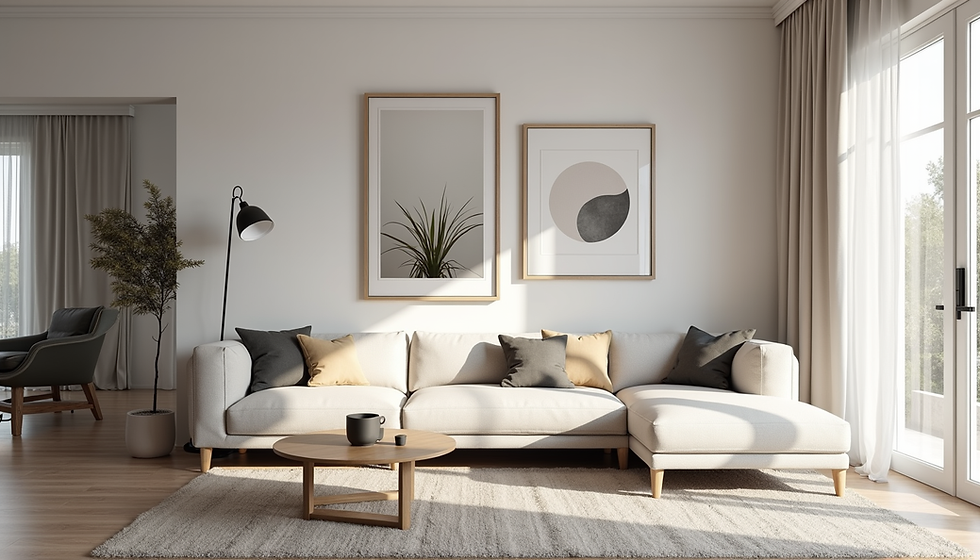
This is often the heart of the home, so bold, large-scale pieces work well here. Consider placing art above the sofa or fireplace. Groupings can also add warmth and personality.
Bedroom
In bedrooms, softer, calming art is ideal. Hang pieces above the headboard or on walls that you face when you wake up. Keep the scale moderate to maintain a restful atmosphere.
Kitchen and Dining Area
Art in these spaces can be playful or thematic. Smaller pieces or collections work well on narrow walls or above cabinets. Avoid placing art where it might get splattered or damaged.
Hallways and Staircases
These transitional spaces are perfect for creating mini galleries. Use a series of related artworks or photographs to add interest and make the journey through your home more engaging.
Final Thoughts on Elevating Your Space with Art
Mastering the art of placement is a journey that combines creativity, intuition, and a bit of technique. By applying these art placement strategies, you can turn your walls into captivating stories that reflect your style and enhance your living environment.
Remember, the key is to experiment and trust your instincts. Don’t be afraid to move pieces around until they feel just right. With patience and practice, you’ll develop a keen eye for what works best in your space.
If you’re looking for inspiration or unique pieces to start your collection, RAM Galleries LLC offers a stunning selection of gallery-quality wall art that can help you transform your home with captivating visual storytelling.
Happy decorating!


Comments